
For ultra high net worth individuals, family offices, and senior decision makers, privacy is not simply a personal preference. It is a fundamental component of protecting reputation, preserving influence, and maintaining control over sensitive matters. Whether the subject is a commercial transaction, legal strategy, investment movement, or private family discussion, confidentiality often underpins the outcome.
In high value environments, information itself has become one of the most important assets to protect. When private conversations or strategic plans are exposed to the wrong audience, the consequences can be immediate and far reaching. A transaction may be weakened before completion. A negotiation may lose its advantage. A legal or financial position may become vulnerable before there is time to respond. In many cases, the greatest damage is not the loss of information alone, but the loss of control that follows.
One of the less visible risks in this space is unlawful technical surveillance carried out by hostile third parties. These threats can originate from a range of sources, including corporate adversaries, criminal networks, compromised insiders, or individuals with access and motive. Their objective is often straightforward. To obtain information that can be used for leverage, disruption, financial gain, or strategic advantage.
Modern surveillance threats are rarely obvious. With the right capability, illicit monitoring devices can be concealed within everyday surroundings and introduced into locations where sensitive discussions take place. Offices, residences, vehicles, private meeting spaces, hotel suites, and temporary venues may all present vulnerabilities when confidentiality matters most. This is not a question of alarm, but one of awareness and sensible precaution.
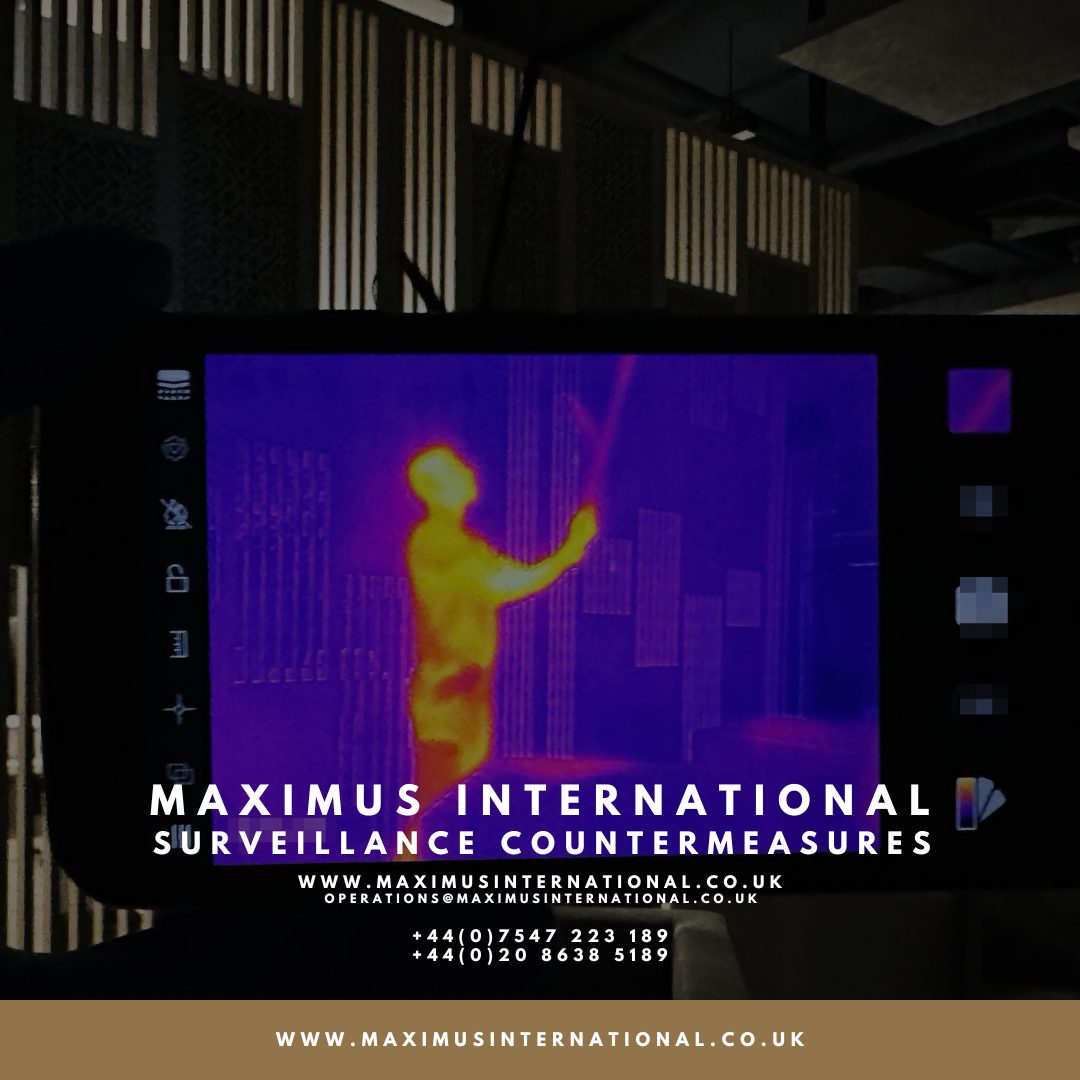
This is where Technical Surveillance Countermeasures (TSCM) plays an important role within a wider protective strategy. TSCM is the professional process of examining an environment for signs of unauthorised technical monitoring and helping ensure that private spaces remain genuinely secure. It is a specialist discipline designed to support confidentiality, reduce exposure, and protect the integrity of sensitive environments.
Those looking to understand this capability in more detail can explore our TSCM services
Importantly, TSCM should not be viewed in isolation. It sits within a broader framework of investigations, intelligence, and protection. Effective risk management is not only about responding to visible threats, but identifying vulnerabilities early and taking proportionate steps to preserve privacy, security, and reputation.
Further insight can be found within our investigations.
For ultra high net worth individuals and families, the loss of privacy can carry consequences that extend well beyond the initial breach. Confidential information can influence business interests, family matters, public standing, and personal security. Once control of sensitive information is lost, restoring it can be difficult. Preventative thinking is therefore essential.
At the highest level, good judgement in risk management is defined by what is anticipated, not merely what is responded to. Protecting the environments in which confidential conversations take place is part of that judgement. In a world where information can influence outcomes, preserving privacy is not an overreaction. It is a necessary part of protecting both reputation and long term interests.
Those operating at the highest level understand that privacy is not assumed. It is actively protected. A considered approach to risk management ensures that sensitive environments remain secure, confidential discussions remain private, and reputation remains intact.